Obviously, it takes imagination to create something
new but would that new thing even be original? There are over seven billion
people currently living on earth, each person with a mind full hundreds or even
thousands of ideas, then there are all the people who have lived or will live
and the ideas they had or will have. Does being truly creativity mean you have
to be 100% original? Short answer: No.
Creativity is, in my
opinion, the ability not only to creative but to “play with” what already
exists. For example, take the simple story of a knight in shining armour
setting out to rescue a princess from a tower guarded by a dragon; there are
many ways to retell this in new and interesting ways, such as having the knight
be a depressed death seeker more in dying in the fight against the dragon
rather than saving the princess.
To illustrate this, “tropes” (concepts within storytelling)
are often “played with”:

Using a basic archetype to use as a foundation to build upon using different ideas is very common in works today, mostly all books, films and games have the same narrative structure. However there are some other works will deviate from this norm.

This also applies to genre, an example of a work
that experiments with a certain genre would be the video game Spec Ops: The Line (2012) which
“deconstructs” (explores the to show various logical and moral problems) the
war game genre by presenting issues real life soldiers face like PTSD. This demonstrates
creativity on game developers who could have played it straight and make a
standard military shooter that may have not been noteworthy but instead made a
thought-provoking deconstruction.

Creativity
Decay
"I am afraid to say that the
history of entertainment is also the history of imitation."
— Satoru Iwata, late CEO of
Nintendo
While the method of building off an archetype can
lead to the creation of unique and interesting works, it can also lead to what I
can “creativity decay”. Creativity decay is when a creator of a work copies
elements from another successful work in the hopes of making their own work
popular, this also known as “Follow the Leader” mentality.
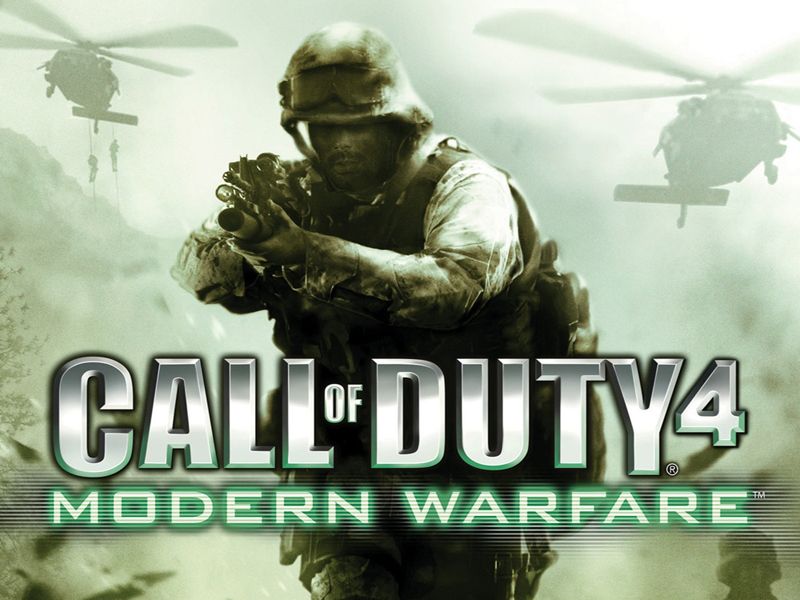
An example of this would in
the games industry after the release of Call
of Duty 4: Modern Warfare in 2007 to which it received critical acclaim and
financial success, games released following this featured element found in Modern Warfare such as regenerating
health, a two-weapon carry limit etc. The creativity decay worsened after the
release of Call of Duty: Modern Warfare 2
in 2009, the game made over 1 billion dollars in sales which lead to more games
being made to be like Call of Duty, even games that weren’t “shooters” were now
being made to have more action-focused gameplay with the notion that will
attract the audience who buy Call of Duty. This attitude was not helped by developers
relying on focus testing:

No comments:
Post a Comment